

High Quality Bimetallic Extrusion Screw Manufacturer in India
Our Bimetallic extrusion screws are one of the most reliable solutions for processors handling abrasive, filled, corrosive, or high-temperature polymers. These screws are specially engineered using two different metals—a strong alloy steel base and a wear-resistant hardfaced outer layer—to deliver superior durability, better melt consistency, and longer service life.
Types of Our Bimetallic Screws Used in Extrusion
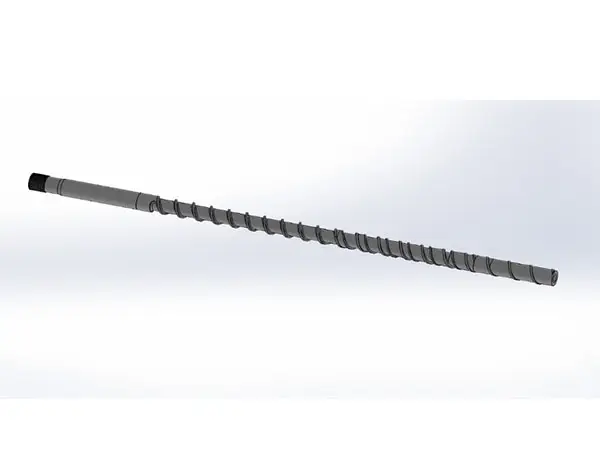
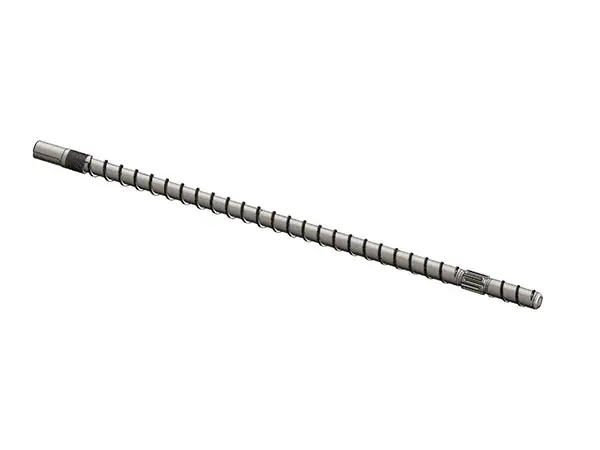
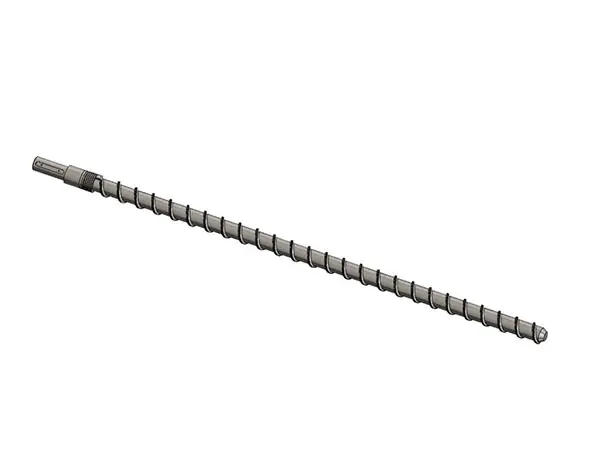
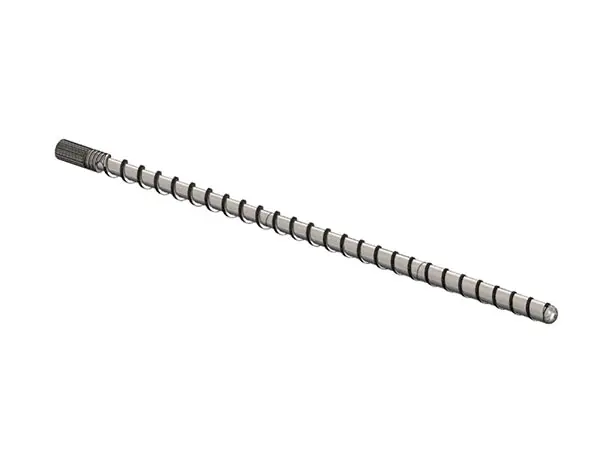
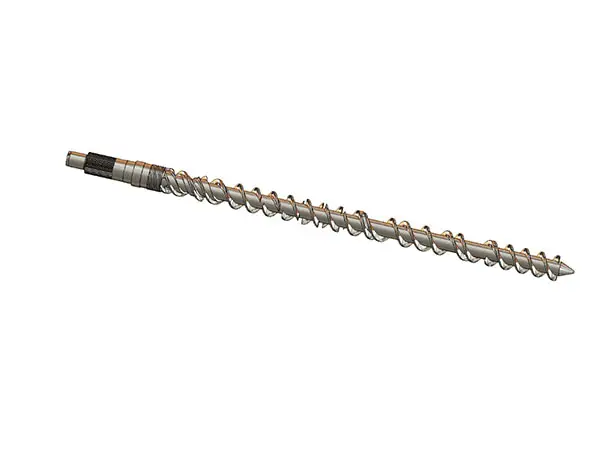
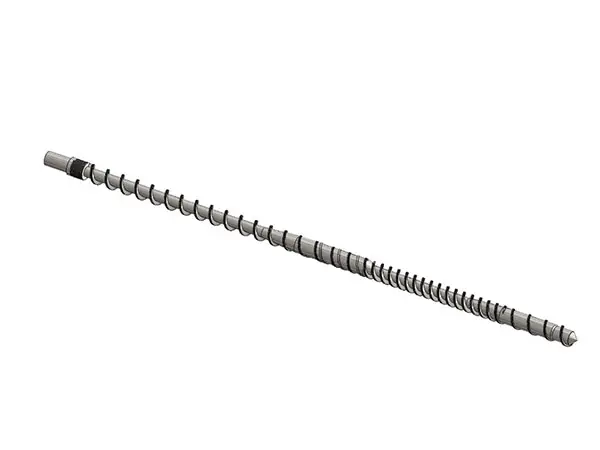
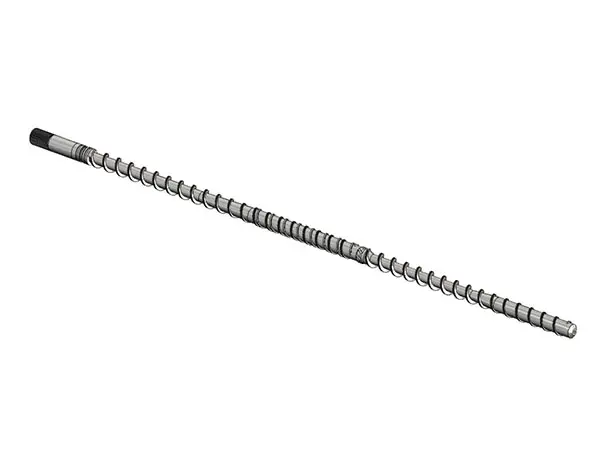
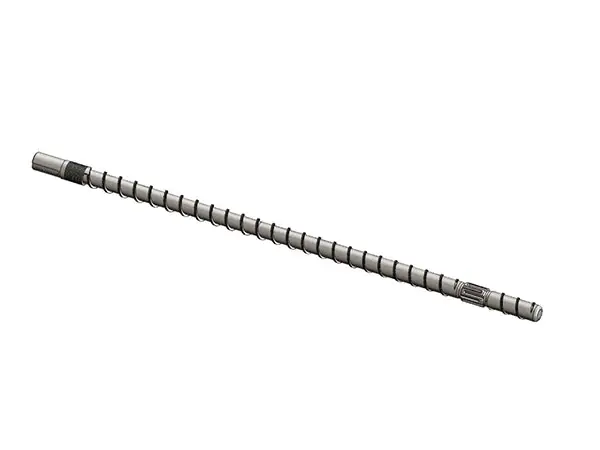
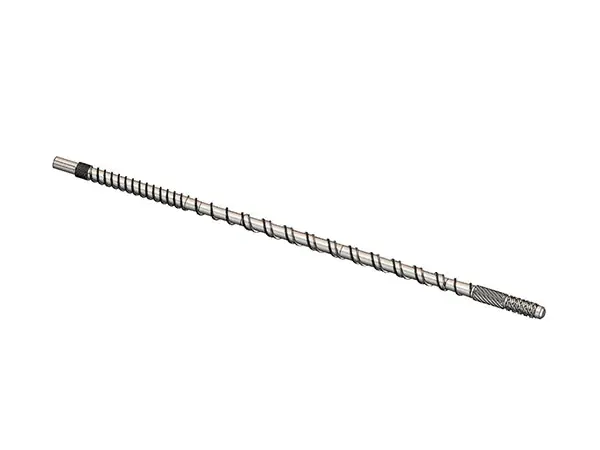
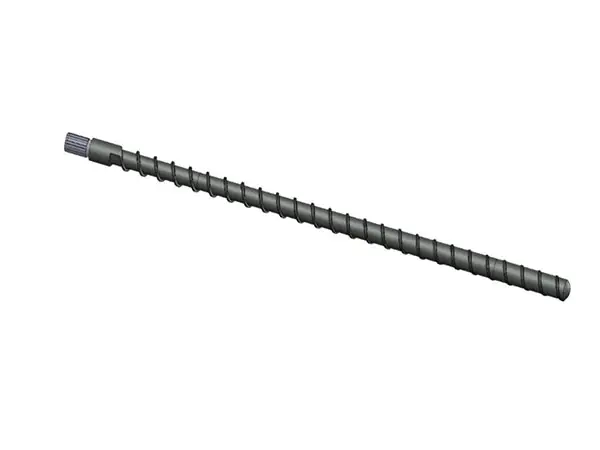
Unlike standard nitrided screws, a bimetallic screw is designed to withstand aggressive materials such as CaCO3-filled compounds, glass-filled polymers, flame-retardant plastics, recycled materials, PVC, XLPE, masterbatch, and engineering compounds. The hard alloy layer, often applied on the screw flights, protects the screw from abrasion and corrosion while maintaining dimensional stability for long production cycles. Industry references note 3–7× better abrasion resistance than standard nitrided screw/barrel sets, depending on alloy grade.
For extrusion plants focused on reducing downtime and maximizing machine efficiency, bimetallic screws are a smart long-term investment.
What is a Bimetallic Extrusion Screw?
A bimetallic extrusion screw is a dual-metal screw design used in single screw and twin screw extruders.
The core is usually manufactured from premium steel grades
Alloy Steel & Tool Steel Solutions
- EN41B
- 38CrMoAlA
- 42CrMo
- DIN 1.8509
- Tool steel variants
The flight surface is then coated or clad with highly wear-resistant alloys
- Nickel-based alloy
- Cobalt-based alloy
- Tungsten carbide blend
- Colmonoy alloys
- WC-Co coating
- Stellite overlay
This two-layer metallurgy provides
- Excellent abrasion resistance
- High corrosion protection
- Better temperature stability
- Lower screw wear in glass-filled polymers
- Long life in calcium-filled compounds
- Better resistance in mineral masterbatch lines
Extrusion Screw Heat Treatment and Bimetallic Components
| Heat Treatment | Bimetallic Components |
|---|---|
| Extrusion Heat Treatment | Wear Resistance Bimetallic Screw |
| Gas Nitrided / Plasma Nitrided | PTA Boron (Full Length) Colomony 63 Ni/Cr 1.5mm layer |
| PM Tool Steel Vacuum Hardened | PTA Tungsten 20 to 50% (Last Zone / Entire) Colomony 63 / 88 / 83 / 705 |
| Hard Chrome / Tin Plating | HVOF Thermal Spray Coating (88% WC, 12% Cobalt) – Flight OD and Core |
Bimetallic Extrusion Screws Features & Technical Specifications
| Feature | Technical Specifications |
|---|---|
| Product Name | Bimetallic Extrusion Screws |
| Type | Industrial Extrusion Component |
| Material | Alloy steel base with bimetallic coating (wear & corrosion resistant layer) |
| Main Function | Melts, mixes, and conveys material in extrusion machines |
| Applications | Plastic extrusion, rubber processing, polymer industries |
| Key Components | Screw shaft, flights, bimetallic lining/coating |
| Coating Material | Nickel-based or cobalt-based alloys (e.g., tungsten carbide reinforced) |
| Mounting | Installed inside extrusion barrel |
| Operation | Rotates inside barrel to push and process material under heat and pressure |
| Advantages | High wear resistance, corrosion resistance, longer service life, improved efficiency |
Best Materials for Bimetallic Extrusion Screw Manufacturing
When it comes to the manufacture of bimetallic extrusion screws, the choice of material is paramount in terms of providing long life, consistent performance and reliable processing. For processes producing filled plastics, engineering plastics, masterbatch, regrind plastics and other abrasives, the choice of high-end metallurgy is critical to the screw’s lifetime and can greatly affect processing performance.
We offer a variety of high-performance material combinations that have been developed and used to make superior extrusion screws. Some of the most popular combinations are EN41B/TiC (70%), 38CrMoAlA/Ni base alloy, Tool Steel/Co base alloy, H13/Colmonoy overlay, SACM645/Wear resistant alloy and PM base/Carbide clad. These material combinations provide a strong and stable base core covered with a very wear-resistant overlay coating to protect the screw from wear, heat and extreme friction inside the barrel.
By using these premium-grade materials, the surface hardness, torsional strength, wear life, corrosion resistance and rebuild ability are all significantly improved. This results in the extrusion screw performing better and longer with reduced need for maintenance, improved melt flow and product quality. For the plastic extrusion manufacturer, there is no better material for making an extrusion screw than the best available bimetallic screw material. The improved performance, reduced downtime and greater plant reliability clearly translate into improved production efficiency and higher factory productivity.
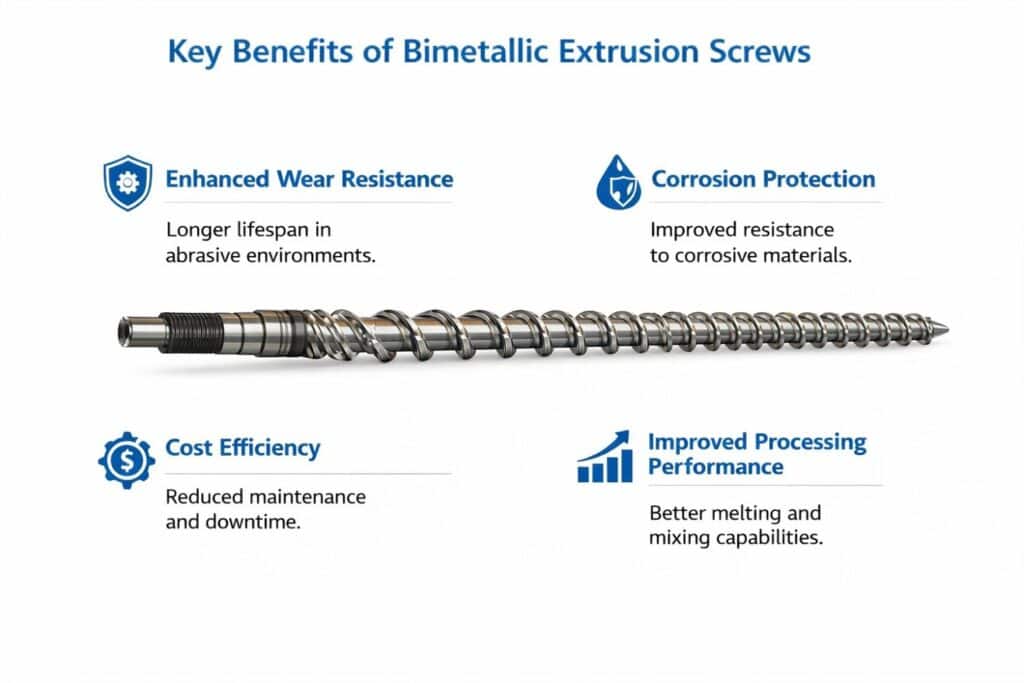
Key Benefits of Bimetallic Extrusion Screws
Superior Wear Resistance
The alloy layer protects the flights from abrasion caused by fillers, fibers, and recycled contaminants.
Better Corrosion Resistance
Ideal for PVC, fluoropolymers, flame retardants, and chemically aggressive additives.
Longer Machine Uptime
Less maintenance means reduced production stoppage and improved ROI.
Better Melt Homogeneity
Improved mixing sections and stable geometry ensure better output quality.
High Output Efficiency
Stable screw profile supports consistent throughput and reduced variation.
Lower Lifetime Cost
Although initial cost is higher, long-term replacement cost is significantly lower.
Advantages of Bimetallic Extrusion Screws
Higher Wear Resistance
Best for:
- CaCO3 filled compounds
- talc filled PP
- glass-filled nylon
- WPC
- recycled flakes
- PVC regrind
The hard alloy layer reduces flight wear and barrel damage.
Longer Service Life
Compared to normal nitrided screws, life can be:
- 2x to 5x longer
- sometimes up to 7x in abrasive applications
This reduces machine stoppage.
Better Corrosion Resistance
Excellent for:
- PVC
- CPVC
- fluoropolymers
- flame retardant compounds
- halogen materials
Stable Output Quality
Because screw geometry stays accurate for a longer time:
- output remains stable
- melt consistency improves
- pressure fluctuations reduce
- dimensional accuracy improves
Better for Recycled Plastic
Perfect for modern sustainable extrusion lines using:
- post-industrial scrap
- PCR
- regrind
- mixed waste plastics
Applications
Our bimetallic extrusion screws are widely used in:
- PVC pipe extrusion
- XLPE cable extrusion
- filler masterbatch
- calcium carbonate compounds
- recycled granules
- HDPE pipe
- Blown Film Plants
- drip irrigation pipe
- corrugated pipe
- WPC profile
- PET sheet
- SPC flooring
Frequently Asked Questions
They are used for high-wear plastic extrusion applications involving fillers, recycled plastics, PVC, and engineering polymers.
A bimetallic vented screw or barrier screw is best for recycled materials.
Mostly counter-rotating twin screw or conical twin screw designs.
Yes, especially for abrasive and corrosive materials where longer life is required.
A twin screw mixing bimetallic screw is ideal.