

Bimetallic Extrusion Barrel Manufacturer in India
A bimetallic extrusion barrel is a premium wear-resistant barrel designed for high-performance plastic extrusion and polymer processing applications. It is manufactured with a high-strength alloy steel outer body, sourced from trusted grades such as EN41B, 38CrMoAlA, and SACM645, as well as advanced tool steel materials, which provide excellent structural strength, thermal stability, and long-lasting dimensional accuracy during continuous machine operation.
A special bimetallic liner protects the inner bore of the barrel, developed using advanced centrifugal casting or metallurgical bonding technology.
Types of Our Bimetallic Barrels Used in Extrusion
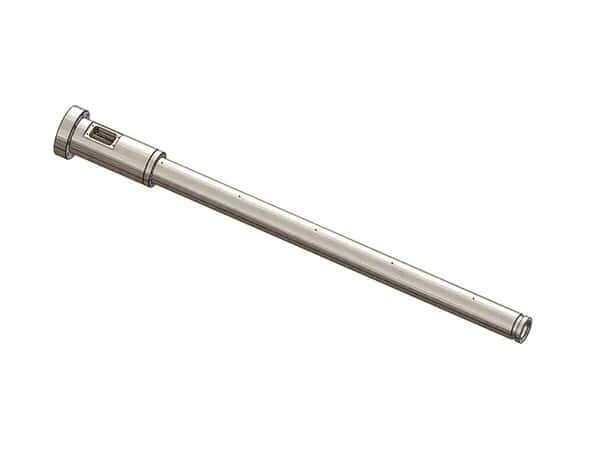
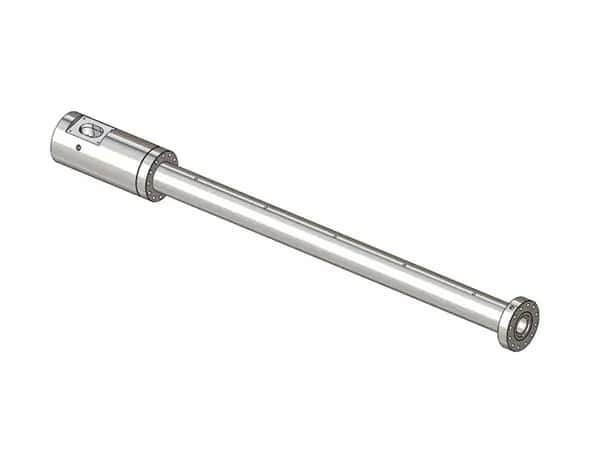
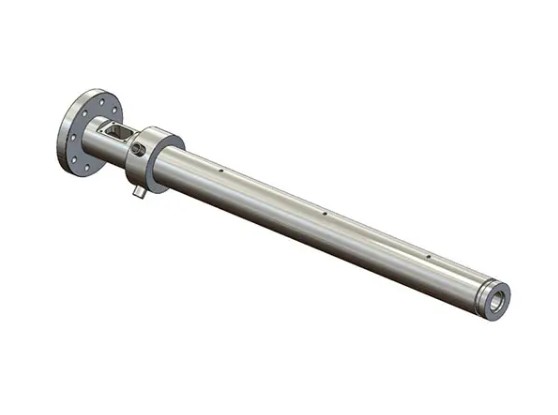
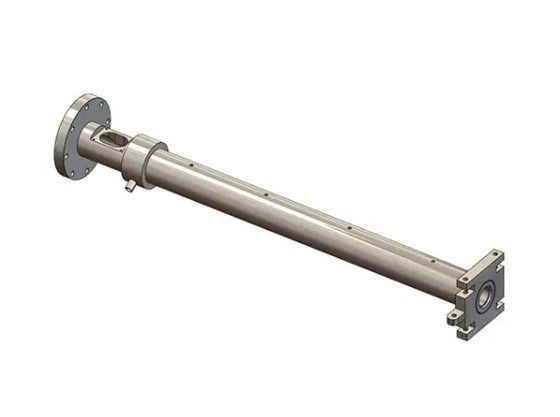
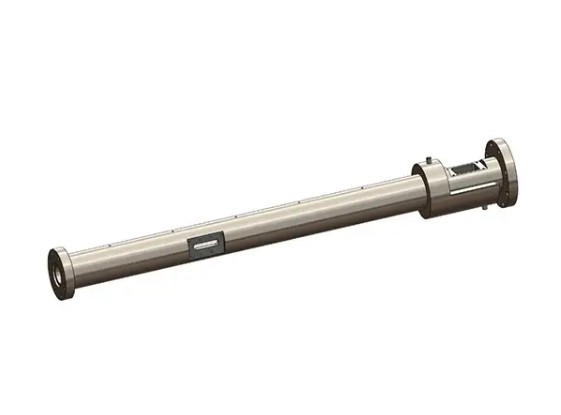
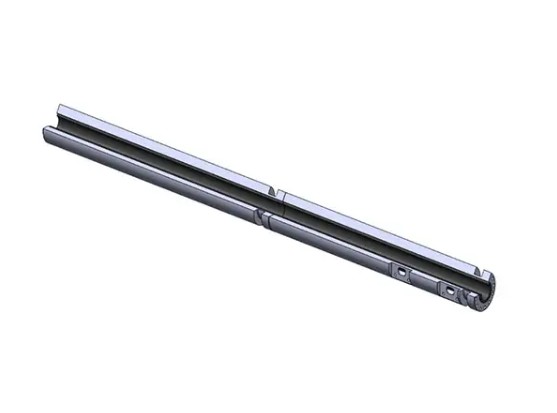
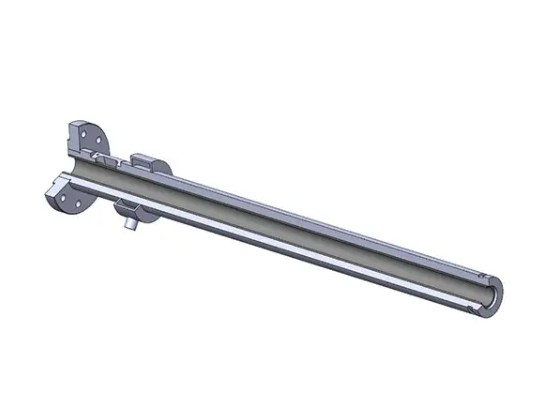
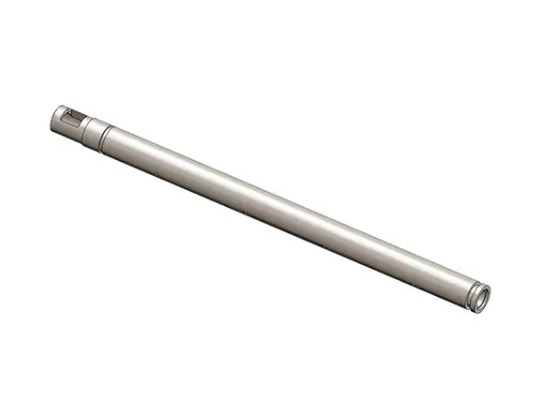
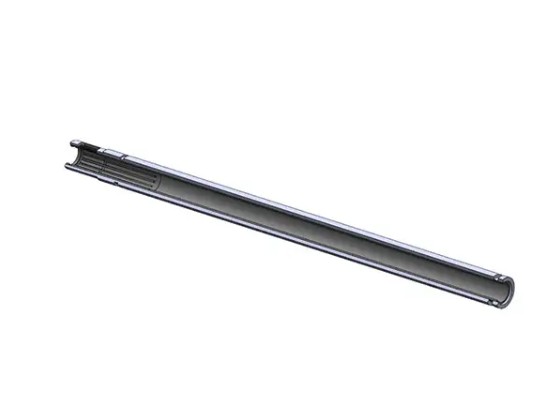
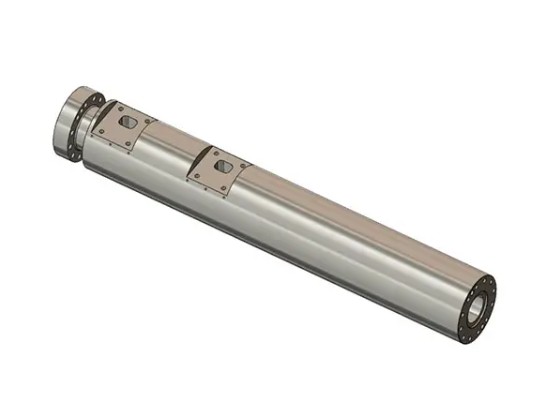
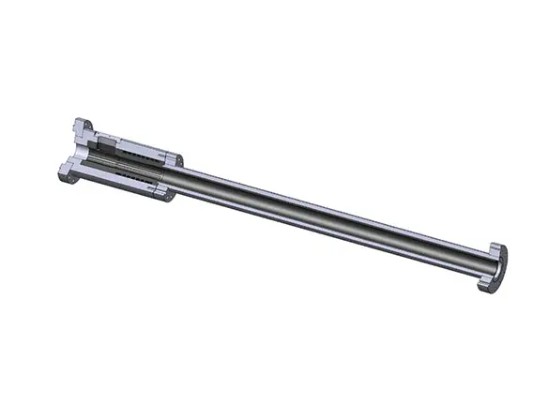
This internal wear-resistant lining is commonly produced from tungsten carbide, nickel-base alloy, cobalt-base alloy, Colmonoy, or a carbide-clad powder metallurgy alloy, depending on the application and the material being processed. The standard liner thickness usually ranges from 1.5 mm to 3 mm, while heavy-duty extrusion applications may use up to 4 mm thickness for extra protection and longer service life.This advanced bimetallic inner layer protects the barrel against abrasion, corrosive gases, thermal wear, glass-filled materials, mineral compounds, color masterbatch, and recycled plastic contamination, making it highly suitable for modern extrusion industries. Because of its superior metallurgy, the bimetallic extrusion barrel delivers a 2x to 5x longer life than conventional nitrided barrels, reducing machine downtime, maintenance frequency, and replacement costs.
our bimetallic extrusion barrels are engineered for single screw extruders, twin screw extruders, compounding lines, PVC pipe plants, recycling extrusion systems, and high-output masterbatch processing units. We use advanced manufacturing technology and precision machining to ensure excellent concentricity, smooth bore finish, improved melt flow, and higher production efficiency.
What is a Bimetallic Extrusion Barrels?
A bimetallic extrusion barrel is a high-performance extruder barrel specially designed for plastic extrusion machines. It is made with two different metal layers to give maximum wear resistance, long life, and better output quality.
1) Outer Base Steel Body
The outside body gives strength and structural support. Common materials include:
- EN41B
- 38CrMoAlA
- SACM645
- Tool steel grades
2) Inner Bimetallic Liner
The inside bore is coated or centrifugally cast with wear-resistant alloys, such as:
- Tungsten Carbide
- Nickel-base alloy
- Cobalt-base alloy
- Colmonoy
- Carbide-clad powder metallurgy alloy
Extrusion Barrels Heat Treatment and Bimetallic Components
| Heat Treatment | Bimetallic Components |
|---|---|
| Extrusion Heat Treatment | Spin Cast Inlay Layer Bimetallic Barrel |
| Gas Nitrided / Plasma Nitrided | Boron Inlay Layer 1.5 to 2mm |
| PM Tool Steel Vacuum Hardened | Tungsten (10 to 35%) Inlay Layer 1.5 to 2mm |
| Hard Chrome / Tin Plating | PM Tool Steel Vacuum Hardened – Throughout Hardened |
Bimetallic Extrusion Barrels Features & Technical Specifications
| Feature | Description |
|---|---|
| Product Name | Bimetallic Extrusion Barrels |
| Type | Industrial Extrusion Component |
| Material | Alloy steel outer body with bimetallic inner lining |
| Main Function | Houses the screw and provides a wear-resistant surface for material processing |
| Applications | Plastic extrusion, injection molding, rubber processing industries |
| Key Components | Barrel body, inner bimetallic liner, heating/cooling zones |
| Lining Material | Nickel-based alloys, cobalt alloys, or tungsten carbide reinforced layer |
| Mounting | Fixed in extrusion or injection molding machines |
| Operation | Works with rotating screw to melt, mix, and convey material under controlled temperature |
| Advantages | High wear & corrosion resistance, longer lifespan, improved product quality, reduced maintenance |
Our Bimetallic Extrusion Barrel Materials
The best materials for bimetallic extrusion barrel manufacturing combine a strong alloy steel base with a high wear-resistant inner liner. Popular base materials include EN41B, 38CrMoAlA, SACM645, and tool steel grades, chosen for their excellent strength, nitriding ability, and dimensional stability. For the inner bimetallic layer, premium options such as tungsten carbide, nickel-base alloy, cobalt-base alloy, Colmonoy, and carbide-clad powder metallurgy alloys are widely used because they offer outstanding protection against abrasion, corrosion, high temperature, glass-filled materials, and recycled plastic contamination. This advanced material combination helps the barrel deliver 2x to 5x longer life, better melt quality, and stable performance in demanding plastic extrusion applications.
Key Benefits of Bimetallic Extrusion Barrels
-
Excellent Wear Resistance
The inner bore is coated with tungsten carbide, nickel alloy, cobalt alloy, or carbide cladding, which gives the barrel excellent protection against abrasion, friction, and continuous screw movement. This makes it ideal for filled polymers and engineering plastics.
-
Longer Working Life
Compared to standard nitrided barrels, a bimetallic barrel can provide 2x to 5x longer life, depending on the material being processed. This reduces frequent replacement costs and machine downtime.
-
Better Corrosion Protection
When processing PVC, fluoropolymers, flame-retardant compounds, or corrosive masterbatches, the inner alloy layer protects the barrel from chemical attack and corrosive gases, improving long-term performance.
-
High Temperature Stability
Bimetallic barrels can handle high processing temperatures and pressure conditions without fast wear. This ensures consistent melt quality and smooth extrusion output.
-
Ideal for Recycled Plastic Processing
Recycled materials often contain metal particles, dust, contamination, and hard impurities. The wear-resistant inner layer protects the barrel from damage and helps maintain production efficiency.
-
Improved Production Efficiency
Because the bore surface remains smooth and accurate for a longer time, the screw works more efficiently. This improves: Melt homogeneity Output stability Product quality Lower rejection rate
-
Suitable for Multiple Industries
These barrels are ideal for: Plastic extrusion, Masterbatch, Pipe extrusion, Film extrusion, Blow molding, Compounding, Recycling lines, Rubber processing
Advantages of Bimetallic Extrusion Barrels
A bimetallic extrusion barrel is specially designed to deliver high wear resistance, longer service life, and stable extrusion performance in plastic processing machines. It is manufactured using a high-strength alloy steel base with an inner layer of tungsten carbide, nickel alloy, cobalt alloy, or other wear-resistant bimetallic liners. This advanced construction makes it far better than a standard nitrided barrel.
Longer Service Life
The biggest advantage is its 2x to 5x longer life compared to normal barrels. The inner bimetallic liner protects the bore from continuous friction caused by the screw and raw material flow. This reduces frequent replacement costs.
Excellent Wear Resistance
Bimetallic barrels offer superior resistance against abrasion, especially when processing:
- glass-filled polymers
- calcium-filled compounds
- mineral-filled masterbatch
- recycled plastics
- engineering polymers
This makes them ideal for heavy-duty extrusion lines.
Better Corrosion Protection
When processing corrosive materials like PVC, fluoropolymers, flame-retardant compounds, and chemical additives, the inner alloy layer protects the barrel from gas attack and chemical corrosion.
High Temperature Strength
These barrels perform well under high heat and pressure conditions. The bimetallic liner maintains hardness even at elevated temperatures, ensuring smooth extrusion.
Improved Production Stability
Because the internal bore remains smooth and dimensionally stable for a longer time, the screw rotation stays consistent. This helps improve:
- melt quality
- output consistency
- pressure stability
- product finish
Applications
Our bimetallic extrusion screws are widely used in:
- Plastic Pipe & Profile Extrusion
- Masterbatch & Compounding
- Recycled Plastic Processing
- Twin Screw Extrusion
- Glass-Filled & Mineral-Filled Polymer Extrusion
- Rubber & Elastomer Processing
Frequently Asked Questions
A bimetallic extrusion barrel is an extruder barrel made with a strong alloy steel outer body and a highly wear-resistant inner liner. The inner bore is coated with materials like tungsten carbide, nickel alloy, or cobalt alloy to improve life and performance.
It offers 2x to 5x longer life than standard nitrided barrels because it resists abrasion, corrosion, heat wear, and glass-filled material damage much better.
Common base materials include EN41B, 38CrMoAlA, SACM645, and tool steel, while the inner liner uses tungsten carbide, nickel-base alloy, cobalt-base alloy, or Colmonoy.
They are widely used in plastic extrusion, masterbatch, recycling, pipe extrusion, blown film, compounding, and engineering polymer processing.
The typical bimetallic liner thickness is 1.5 mm to 3 mm, while heavy-duty applications may use up to 4 mm thickness.
Materials like glass-filled polymers, mineral-filled compounds, recycled plastics, CaCO3 compounds, and engineering plastics create heavy wear inside the barrel.