
Bimetallic Injection Screw Manufacturer
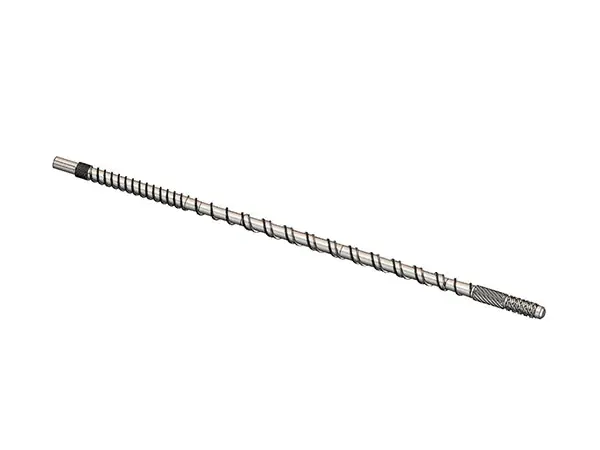
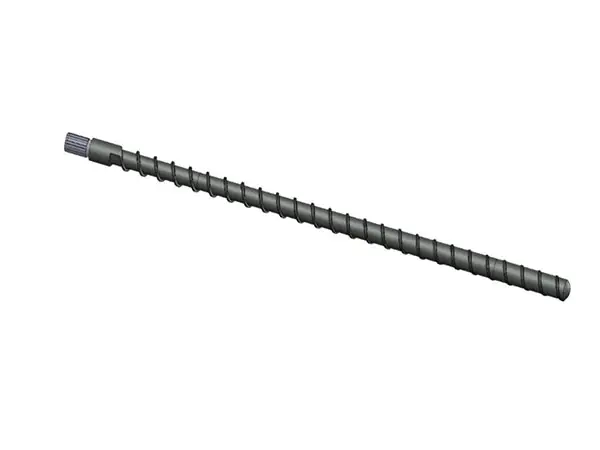
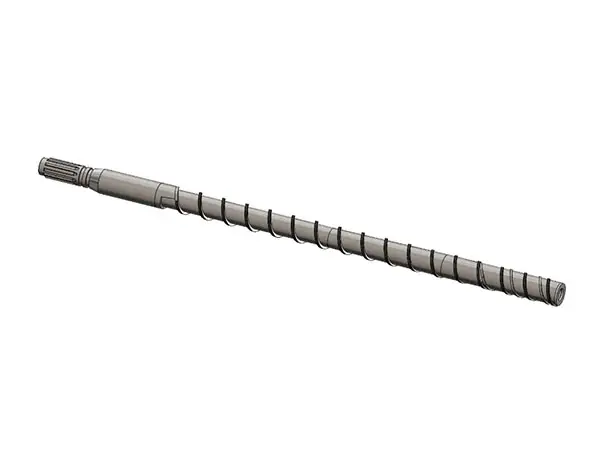
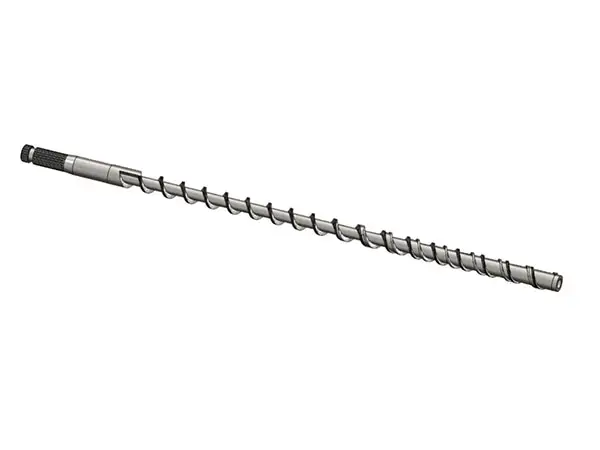
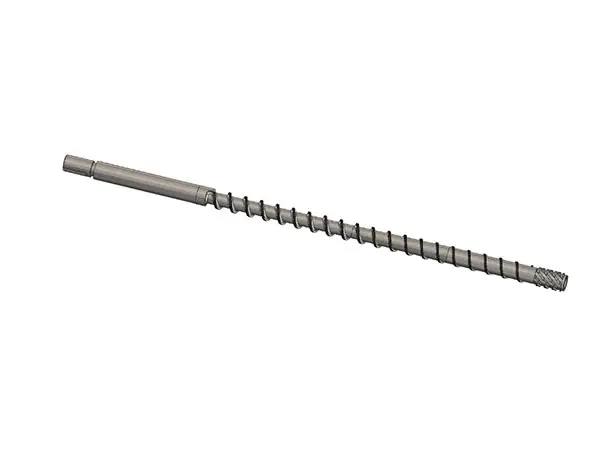
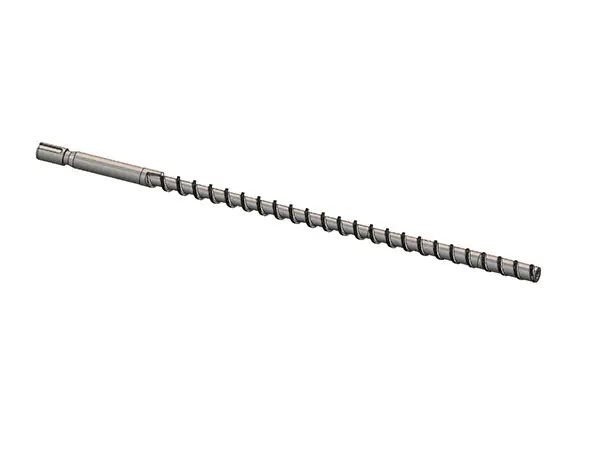
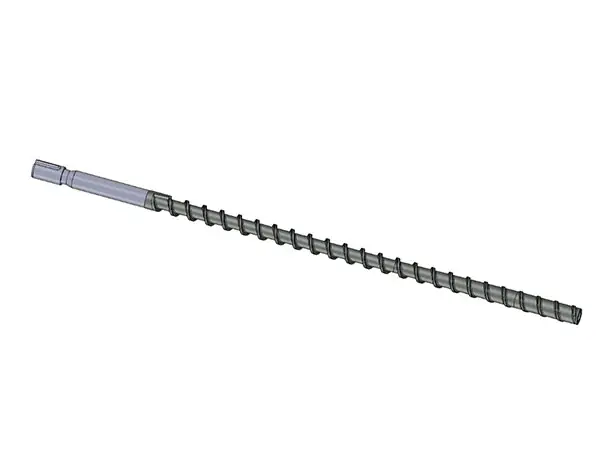
A bimetallic injection screw is a high-performance screw used in plastic injection molding machines. It is specially designed with a wear-resistant and corrosion-resistant alloy coating on the screw surface to improve durability, performance, and production efficiency. These screws are widely used in industries processing engineering plastics, filled materials, recycled plastics, glass fiber compounds, and abrasive polymers. Compared to standard nitrided screws, bimetallic screws offer significantly longer service life and better resistance against wear and chemical attack. The outer layer of the screw is manufactured using advanced technologies like PTA (Plasma Transferred Arc) welding, tungsten carbide coating, nickel-based alloy coating, or cobalt-based alloys. This special layer protects the screw from damage caused by heat, friction, fillers, and corrosive materials.
Types of Bimetallic Injection Screws
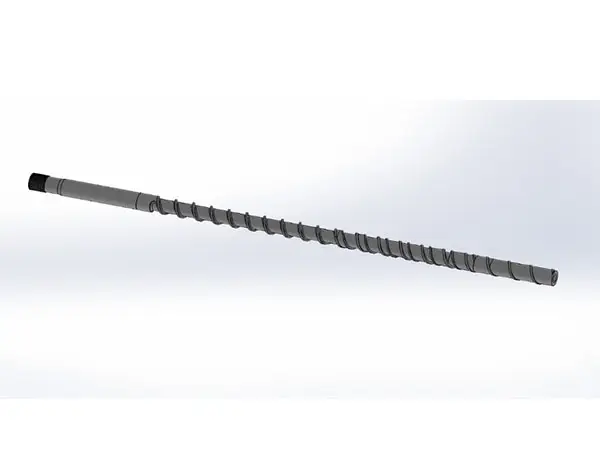
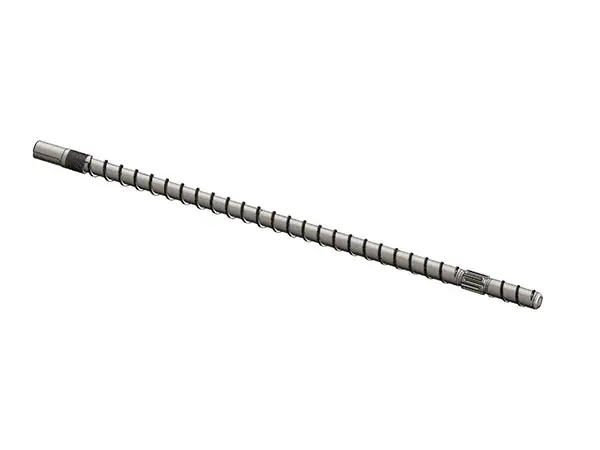
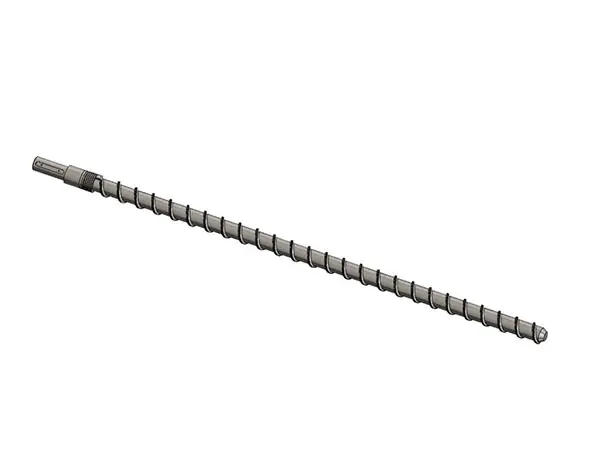
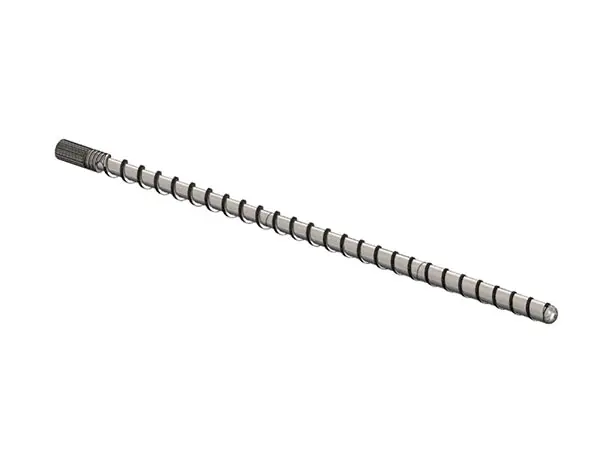
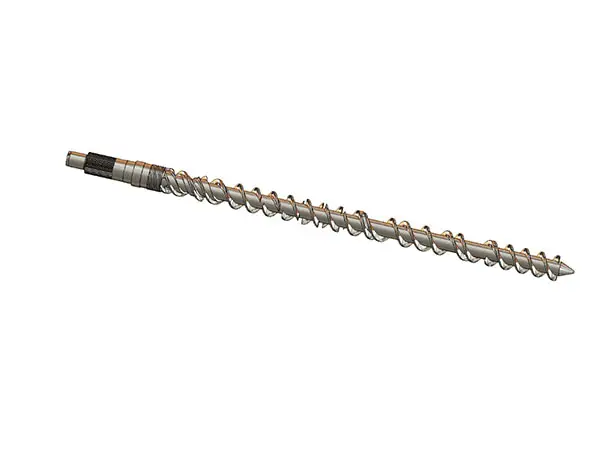
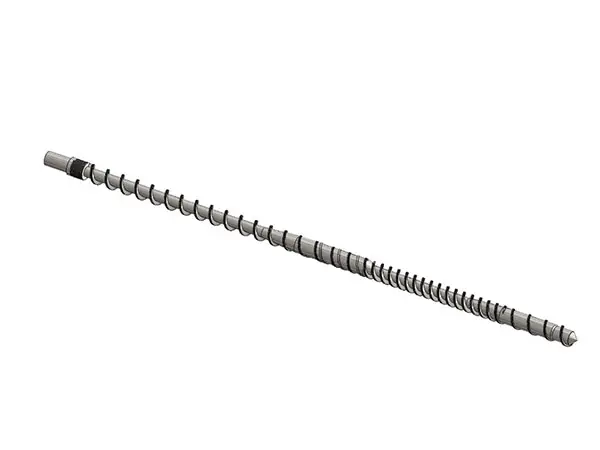
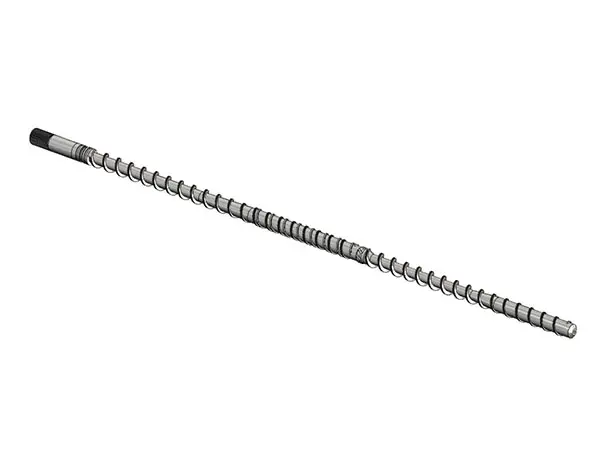
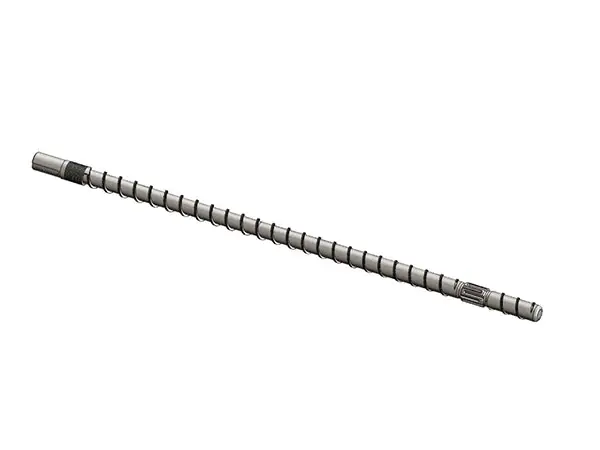
What is a Bimetallic Injection Screw?
A bimetallic injection screw is a specially engineered screw used in plastic injection molding machines. It is manufactured using a strong base alloy steel combined with a highly wear-resistant and corrosion-resistant coating or overlay layer. This dual-metal construction increases the life of the screw and improves machine performance in demanding plastic processing applications.
Bimetallic injection screws are widely used in industries processing:
- Filled plastics
- Engineering polymers
- Recycled materials
- Glass fiber compounds
- Flame-retardant materials
- High-temperature plastics
These screws are designed to handle severe abrasion, corrosion, and high-pressure injection molding conditions.
Hardening Process of Screw Injection
| Heat Treatment | Bimetallic Components |
|---|---|
| Extrusion Heat Treatment | Wear Resistance Bimetallic Screw |
| Gas Nitrided / Plasma Nitrided | PTA Boron (Full Length) Colomony 56/63 Ni/Cr 1.5mm Layer |
| PM Tool Steel Vacuum Hardened | PTA Tungsten 20 to 50% (Last Zone / Entire) Colomony 88/83/705 |
| Hard Chrome / Tin Plating | HVOF Thermal Spray Coating (88% WC 12 Cobalt) Flight OD and Core |
Bimetallic Injection Screws Features & Technical Specifications
| Feature | Description |
|---|---|
| Product Name | Bimetallic Injection Screws |
| Type | Injection Molding Machine Component |
| Material | Alloy steel base with bimetallic coating |
| Main Function | Melts, mixes, and injects plastic material into molds |
| Applications | Plastic injection molding, automotive parts, packaging, consumer goods |
| Key Components | Screw shaft, flights, mixing section, bimetallic coating |
| Coating Material | Nickel-based alloys, cobalt alloys, tungsten carbide reinforced layer |
| Mounting | Installed inside injection molding machine barrel |
| Operation | Rotates to plasticize material and moves forward to inject molten plastic into mold |
| Advantages | High wear resistance, corrosion resistance, longer service life, consistent output |
Our Bimetallic Injection screw Materials
High-quality manufacturers use premium steel grades and advanced alloy coatings.
Base Materials
- EN41B
- 38CrMoAlA
- SACM645
- H13 Tool Steel
- Alloy Steel
Wear Resistant Coatings
- Tungsten Carbide
- Nickel-Based Alloy
- Cobalt-Based Alloy
- Colmonoy Coating
- PTA Hard Facing Alloy
These coatings improve hardness, corrosion resistance, and durability.
Key Benefits of Bimetallic Injection Screws
-
Higher Productivity
Continuous production with minimal machine stoppage increases manufacturing output.
-
Better ROI
Longer life and lower maintenance costs provide excellent return on investment.
-
Suitable for Recycled Materials
Processes recycled and filled materials without excessive wear.
-
Enhanced Machine Performance
Improves injection stability and shot consistency.
-
Ideal for Heavy-Duty Applications
Perfect for high-load industrial injection molding operations.
-
Consistent Melt Quality
Ensures uniform plastic mixing and better molded product quality.
Advantages of Our Bimetallic Injection Screws
Excellent Wear Resistance
The tungsten carbide or nickel alloy coating protects the screw from continuous wear caused by abrasive materials.
Longer Service Life
Compared to standard nitrided screws, bimetallic screws can provide 2x to 3x longer operational life.
Better Corrosion Resistance
Suitable for processing corrosive polymers and chemically active materials.
Higher Production Efficiency
Smooth material flow improves productivity and machine performance.
Reduced Maintenance Cost
Less wear means fewer replacements and lower maintenance expenses.
Applications
Our Bimetallic injection screws are widely used
- Automotive parts manufacturing
- Plastic furniture production
- Medical plastic molding
- Packaging containers
- Household plastic products
- Electrical switches and components
- Industrial engineering plastic components
- PET preform manufacturing
Frequently Asked Questions
A bimetallic injection screw is a wear-resistant injection molding screw coated with special alloys like tungsten carbide or nickel alloy for longer life and better performance.
Main advantages include higher wear resistance, corrosion resistance, longer service life, reduced maintenance, and improved molding quality.
Common materials include EN41B, 38CrMoAlA, tungsten carbide, nickel alloy, cobalt alloy, and PTA weld overlays.
They are used in injection molding machines processing engineering plastics, PVC, glass-filled polymers, recycled plastics, and abrasive compounds.
Common coatings include tungsten carbide, nickel-based alloys, cobalt alloys, and Colmonoy overlays applied using PTA technology.
Selection depends on polymer type, filler percentage, machine size, processing temperature, and production requirements.
Hardening Process of Screw Injection
| Extrusion Heat Treatment | Wear Resistance Bimetallic Screw |
| Gas Nitrided/ Plasma Nitrided | PTA Boron (Full Length) Colomony 56/63 Ni/Cr 1.5mm layer |
| PM Tool steel vacuum hardened | PTA Tungsten 20 to 50 % (Last Zone/Entire) Colomony 88/83/705 |
| Hard Chrome/Tin Plating | HVOF thermal spray coating (88 % Wc 12 cobalt) Flight od and core |