

Bimetallic injection molding screw manufacture in India
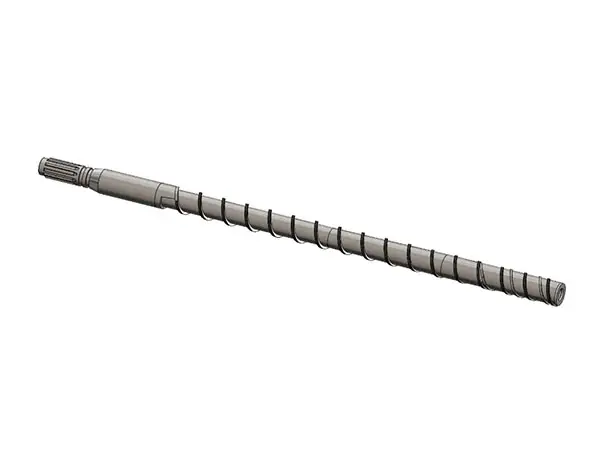
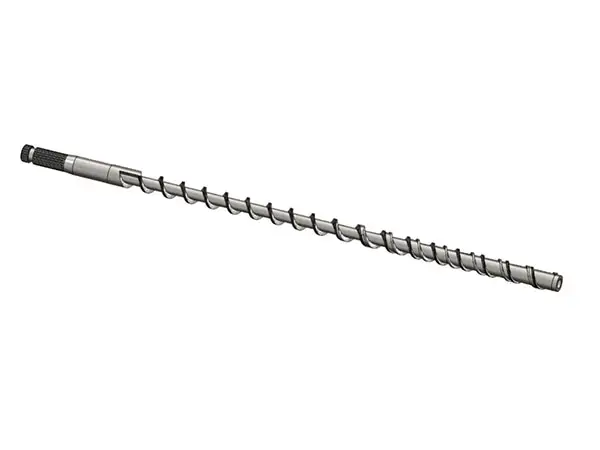
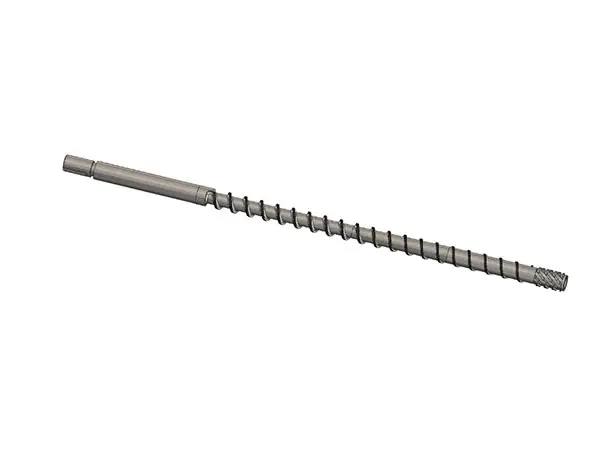
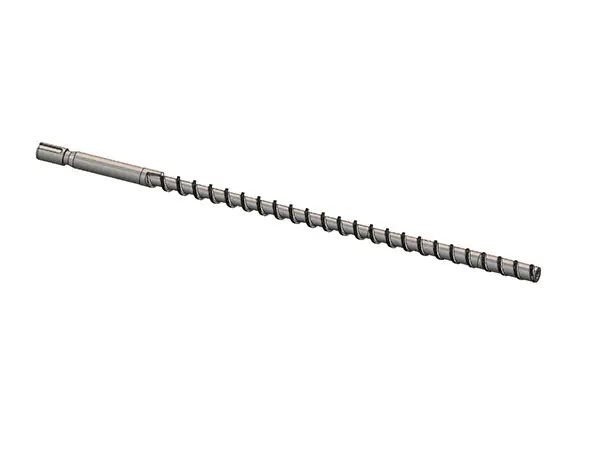
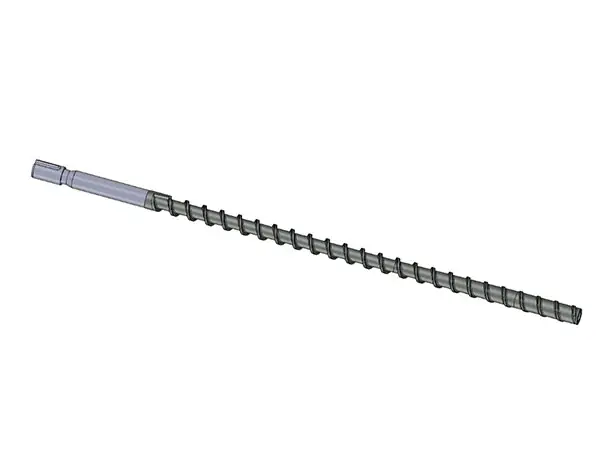
The bimetallic injection screw is the part of every modern screw-type injection moulding machine. It is made to work well and last a long time. The bimetallic injection screw is also very good at helping to make plastic products. We make injection machine screws. We use good materials and the latest engineering to make sure our screws work as well as possible and do not wear out quickly.
In any injection moulding machine, the screw is very important. The screw helps to melt, mix, and inject plastic material into the mould. A good bimetallic injection screw makes sure that the machine works smoothly. It also helps to make products, and it can work for a long time even when it is working very hard. The bimetallic injection screw is a part of the machine, and it helps to make sure that the machine works well and makes good products.
Role of the Screw in the Injection Moulding Machine
The screw of the injection moulding machine performs multiple important functions during the plastic manufacturing process.
It conveys raw plastic material from the hopper, melts it through heat and friction, mixes it to ensure uniform consistency, and finally injects it into the mould cavity under high pressure.
In fact, the screw is responsible for plasticizing, metering, and injecting material accurately, which directly impacts product quality and production efficiency.
A well-designed injection machine screw ensures stable processing, reduced defects, and consistent output in every cycle.
Hardening Process of Screw Injection
| Extrusion Heat Treatment | Wear Resistance Bimetallic Screw |
| Gas Nitrided/ Plasma Nitrided | PTA Boron (Full Length) Colomony 56/63 Ni/Cr 1.5mm layer |
| PM Tool steel vacuum hardened | PTA Tungsten 20 to 50 % (Last Zone/Entire) Colomony 88/83/705 |
| Hard Chrome/Tin Plating | HVOF thermal spray coating (88 % Wc 12 cobalt) Flight od and core |
What is a Bimetallic Injection Screw?
A bimetallic injection screw is made by putting two different kinds of metals. You have a base material and a really tough outer layer. This special way of making it helps the bimetallic injection screw resist getting worn out. It can handle high temperatures and things that can corrode it.
These bimetallic injection screws are used a lot in machines that mould plastic, where they have to work with materials that are really tough on them, like plastics with glass in them, special kinds of polymers and old materials that are being used again.
The outer layer of the injection screw, which is often made with tungsten carbide or nickel-based alloys, makes the bimetallic injection screw last a lot longer than regular screws. This is why bimetallic injection screws are the choice for companies that want to save money in the long run and have equipment that works well all the time.
Types of Screw in Injection Moulding Machine
Understanding the types of screw in injection moulding machines helps in selecting the right solution for your application.
The most common types include general-purpose screws, barrier screws, and mixing screws. General-purpose screws are widely used for standard plastics, while barrier screws improve melting efficiency and mixing quality. Mixing screws are designed for applications requiring uniform colour blending and additive distribution.
Each screw type is engineered to handle different materials and processing requirements, ensuring optimal performance in various industries.
Injection Moulding Machine Screw Design
A well-planned injection moulding machine screw design is essential for efficient plastic processing. Most screws are designed with three main zones: feed zone, compression zone, and metering zone.
The feed section transports raw material, the compression section melts and compresses it, and the metering section ensures a uniform melt before injection.
The length-to-diameter ratio (L/D ratio), compression ratio, and flight design are key factors that influence screw performance. Proper design ensures better melting, mixing, and reduced energy consumption.
Screw Diameter in Injection Moulding Machine
The screw diameter injection moulding machine plays a critical role in determining output capacity and shot size. Smaller diameter screws are suitable for precision parts, while larger diameters are used for high-volume production.
Choosing the correct diameter ensures proper material flow, better melting, and improved cycle efficiency. Standard screw diameters can range widely depending on machine size and application.
Applications of Injection Machine Screws
Our injection machine screws are widely used across industries such as automotive, packaging, medical, electronics, and consumer goods.
They are suitable for processing a wide range of materials, including PP, PE, ABS, Nylon, PET, PVC, and engineering plastics. Whether you require standard screws or customized solutions, we deliver high-performance products tailored to your needs.